
PNEUMATIC CONVEYING Systems
RAUMASTER PNEUMATIC CONVEYING DEPARTMENT
Founded in 2005 and located in Ylöjärvi, Finland
Designs, manufactures and delivers conveying solutions particularly for bulk, powdery and granular materials
Complete pneumatic conveying solutions have been delivered for more than 500 different projects independently as well as in collaboration with other Raumaster departments.
More than 1200 customised pneumatic conveying solutions from the Raumaster Pneumatic Conveying Department are currently in use around the world. The department’s organisation has decades of broad expertise and extensive experience in the field. Physical and chemical durability, e.g. against wear and tear under tough conditions have become key qualities of the solutions for long lasting applications.
Pneumatic conveying is applied in different industries, particularly in the energy, chemical and mining industries. Pneumatic conveying is an excellent solution for conveying large capacities of powdery materials, especially in challenging environments. Along with dust free conveying, the low space requirements of the machinery and the flexibility of the pipeline routing are some of the biggest advantages of pneumatic conveying. Within pneumatic conveying techniques, Raumaster Oy primarily utilises dense phase or lean phase conveying techniques.
Dense phase conveying
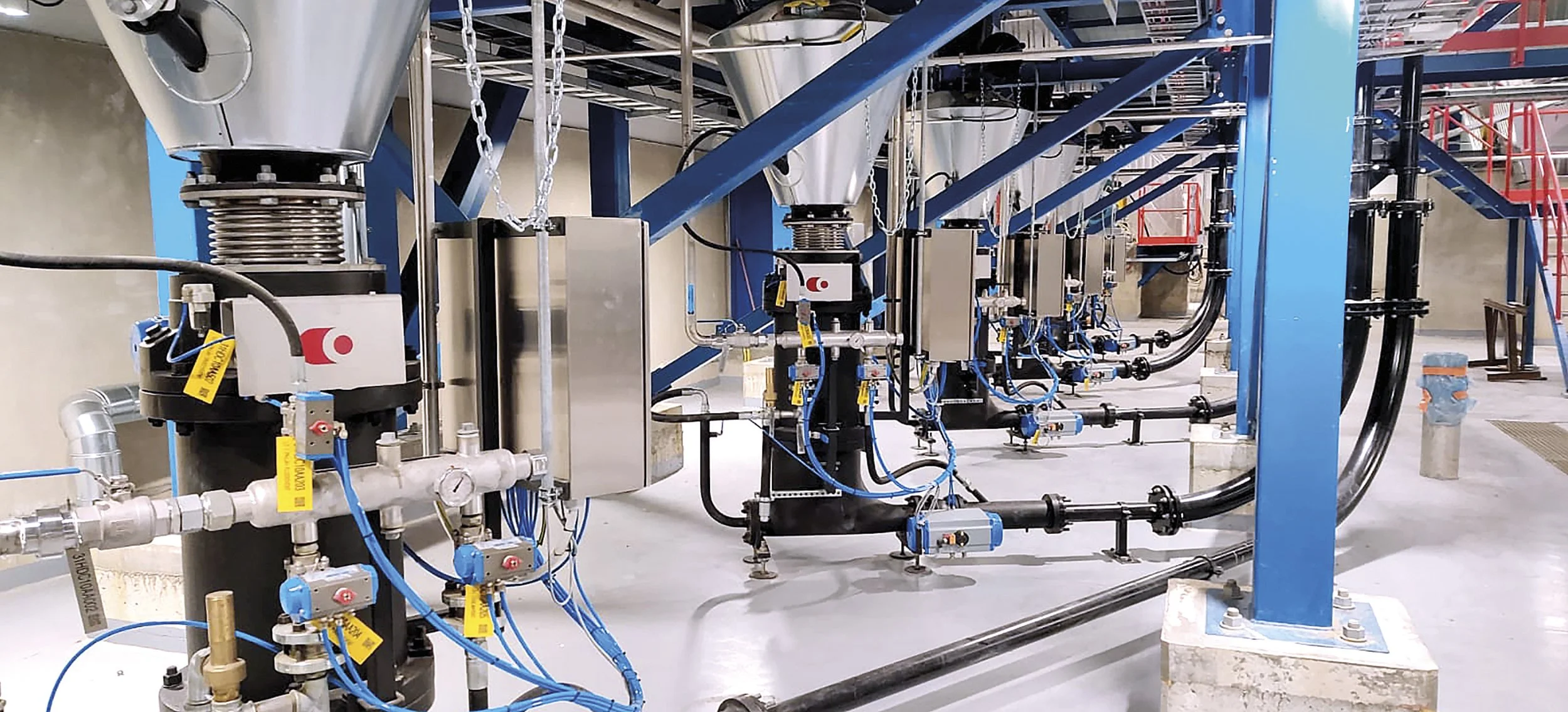
In dense phase technique, the pneumatic conveyor conveys material forward inside pipelines with low velocity in a dense form. Dense phase pneumatic conveyors are able to convey large capacities over distances reaching hundreds of metres. The low velocity in conveying combined with Raumaster Oy’s extensive experience in engineering of equipment and pipelines ensure low maintenance costs and a long working life for the equipment.
Typical materials for dense phase conveying include sand, ash, lime, cement, raw glass materials, foodstuff, granulates and various chemicals, also in an ATEX environment. Pneumatic conveyors are always designed and completed according to the requirements of the destination country. Engineering, manufacturing and documentation can be done e.g. according to
European Pressure Equipment Directive (PED 2014/68/EU)
the United Stated ASME code (BPVC Section VIII Div.1)
the Japanese Pressure Equipment Standard (JIS)
South Korean requirements (KGS, KOSHA)
Lean phase conveying
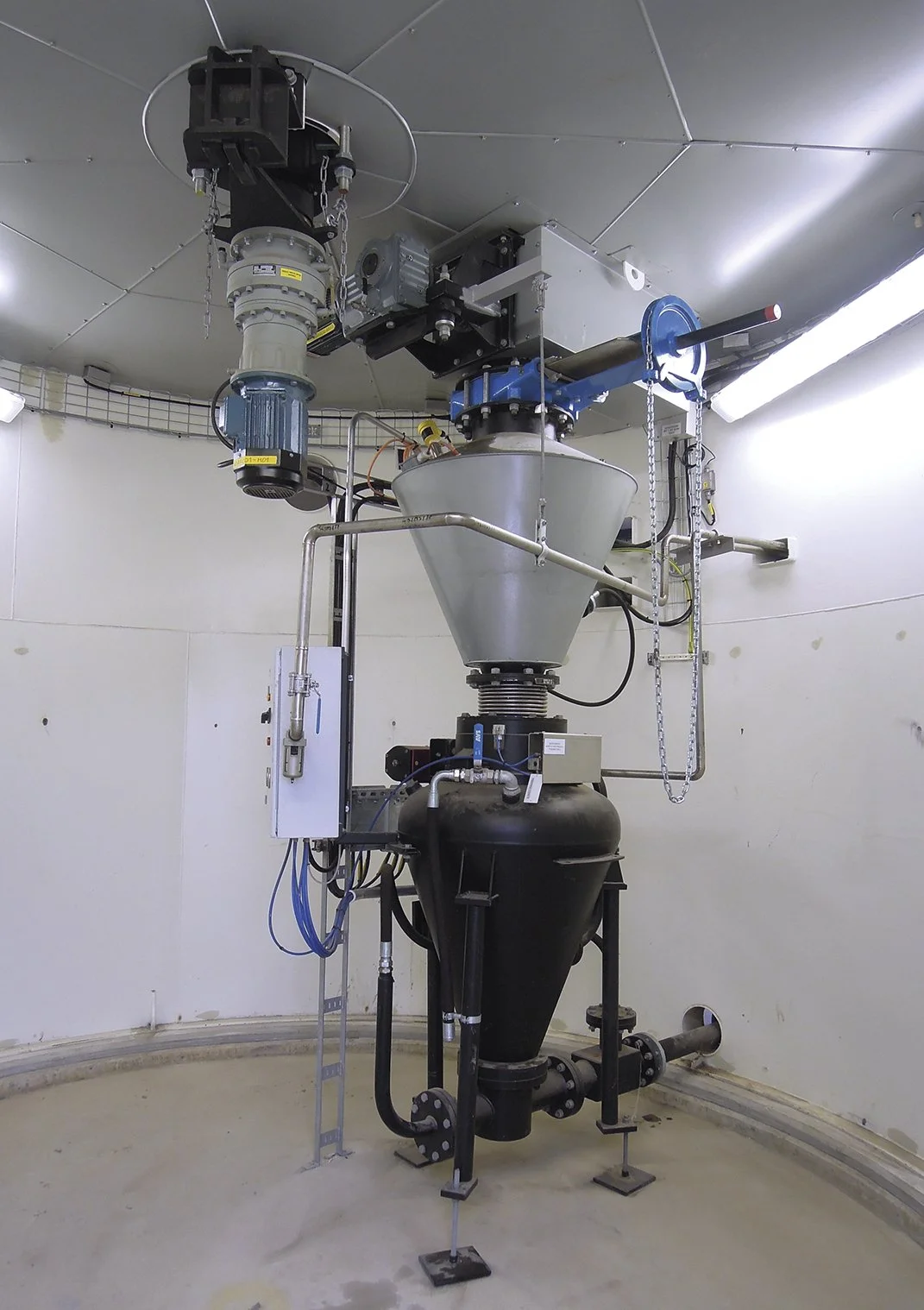
In lean phase conveying technique, the material flows continuously in a pipeline with lower pressure and greater velocity as compared to the dense phase technique. The transportable material is dosed into a continuous airflow in the pipeline. The low-pressure conveying technique is an excellent choice when materials need to be conveyed continuously and in precise doses, even with an accuracy of 1 l/h.
Typical materials for lean phase conveying include lime, natrium carbonate, activated carbon, sulphur, asphaltene, wood dust, other powders and chemicals. Consequently, technical ATEX requirements are quite typical for lean phase applications.
Big bag unloading station
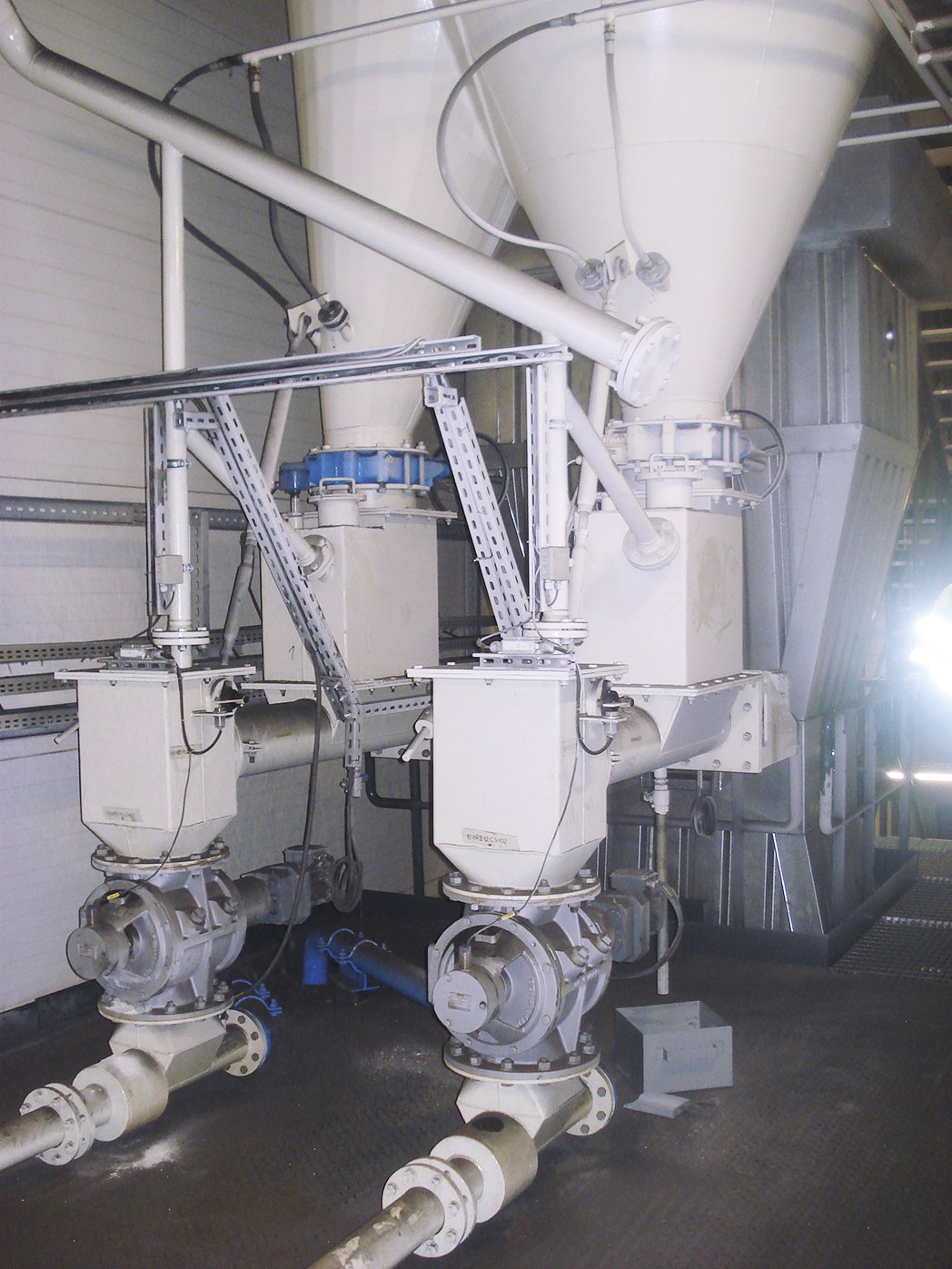
Raumaster Oy also designs and manufactures big bag stations. The stations are designed and engineered according to the customer’s individual needs, facilities and circumstances, most typically as a part of a larger conveying system. The size of the big bag unloading hopper is typically 1-3m3, and the big bags can be either bottom sleeve or solid bottom types.
From the hopper, the material is conveyed or dosed forward, typically pneumatically or with a screw conveyor. A big bag station can be implemented as its own building, or it can be placed into an existing one. A big bag station can also be designed to meet ATEX requirements.

Pneumatic blending
Pneumatic blending uses controlled pulses of compressed air to mix powders, granules and other bulk materials inside a pressure vessel. This kind of mixing process ensures fast and uniformly mixed material blend, but still fragile materials are handled gently. Without mechanical parts, e.g. paddles or blades, in contact with the mixed materials there is less wear and the material blend remains clean from impurities. At the end of the operation cycle the mixed material blend is conveyed via pipeline to its destination by dense phase conveying method.