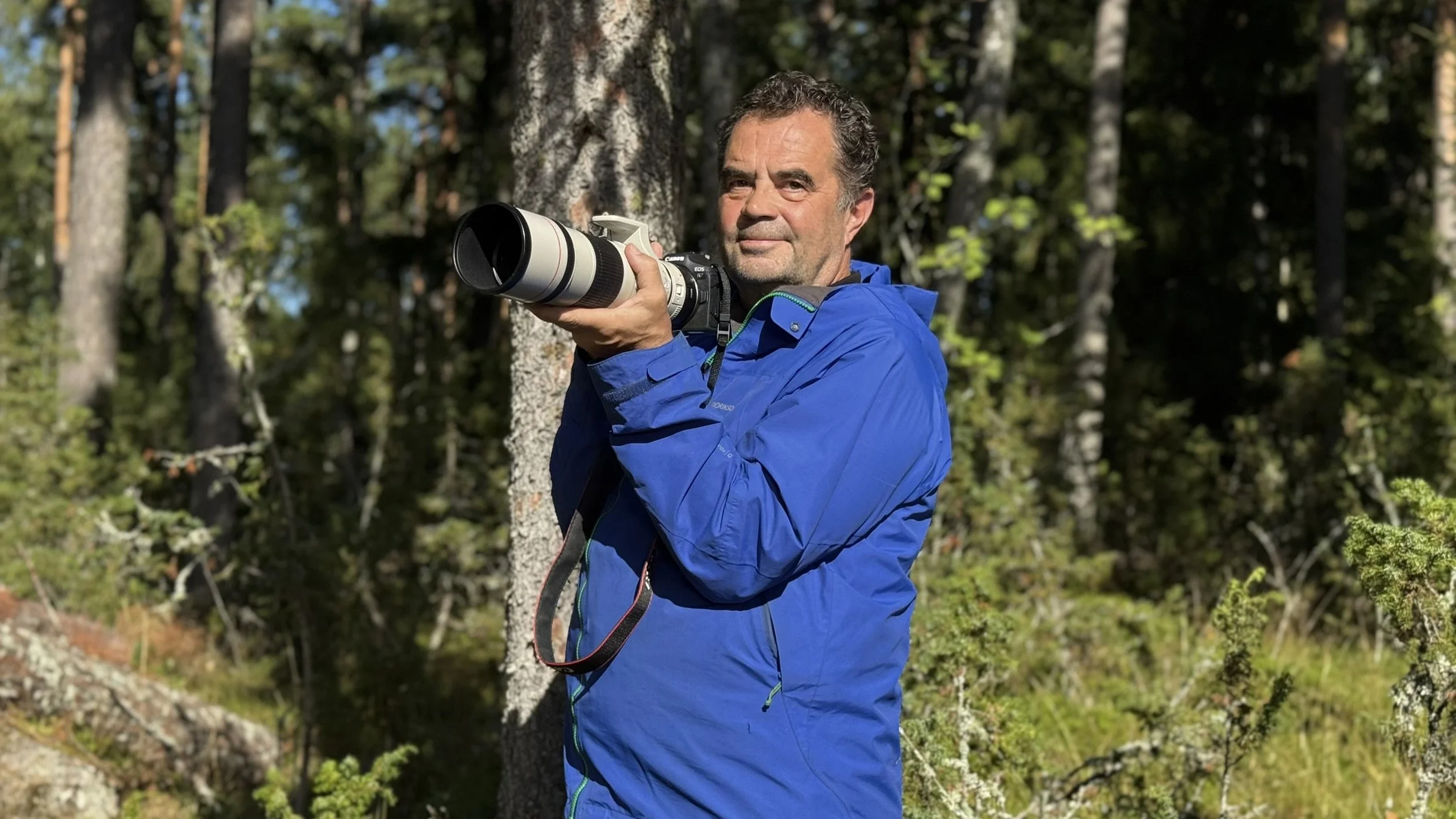
Kai Salo spends a lot of time on nature trails, and he always carries a camera and binoculars with him. (Photo: Taina Salo)
Birdwatching is a rewarding way to spend time in nature and focus on the present moment. Kai Salo, Sales Manager at Raumaster Paper, has been photographing birds for several years, while Janica Arvo, Office Assistant at Raumaster, is learning to identify different species with the help of a mobile app.
Around 250 bird species breed in Finland, and more than 490 species have been recorded in the country overall. On his home property in Santtio, Pyhäranta alone, Salo has observed as many as 105 species. Each year, he typically records between 110 and 120 species in Finland and enters them in BirdLife Finland's Identify 100 Bird Species challenge.
"Nature is important to me in many ways, and my wife and I spend a lot of time on nature trails, in forests and by the sea. These outings provide good opportunities for birdwatching, so I always carry my camera and binoculars with me. I use photographs to confirm species identifications with the help of online resources and books," Salo says.
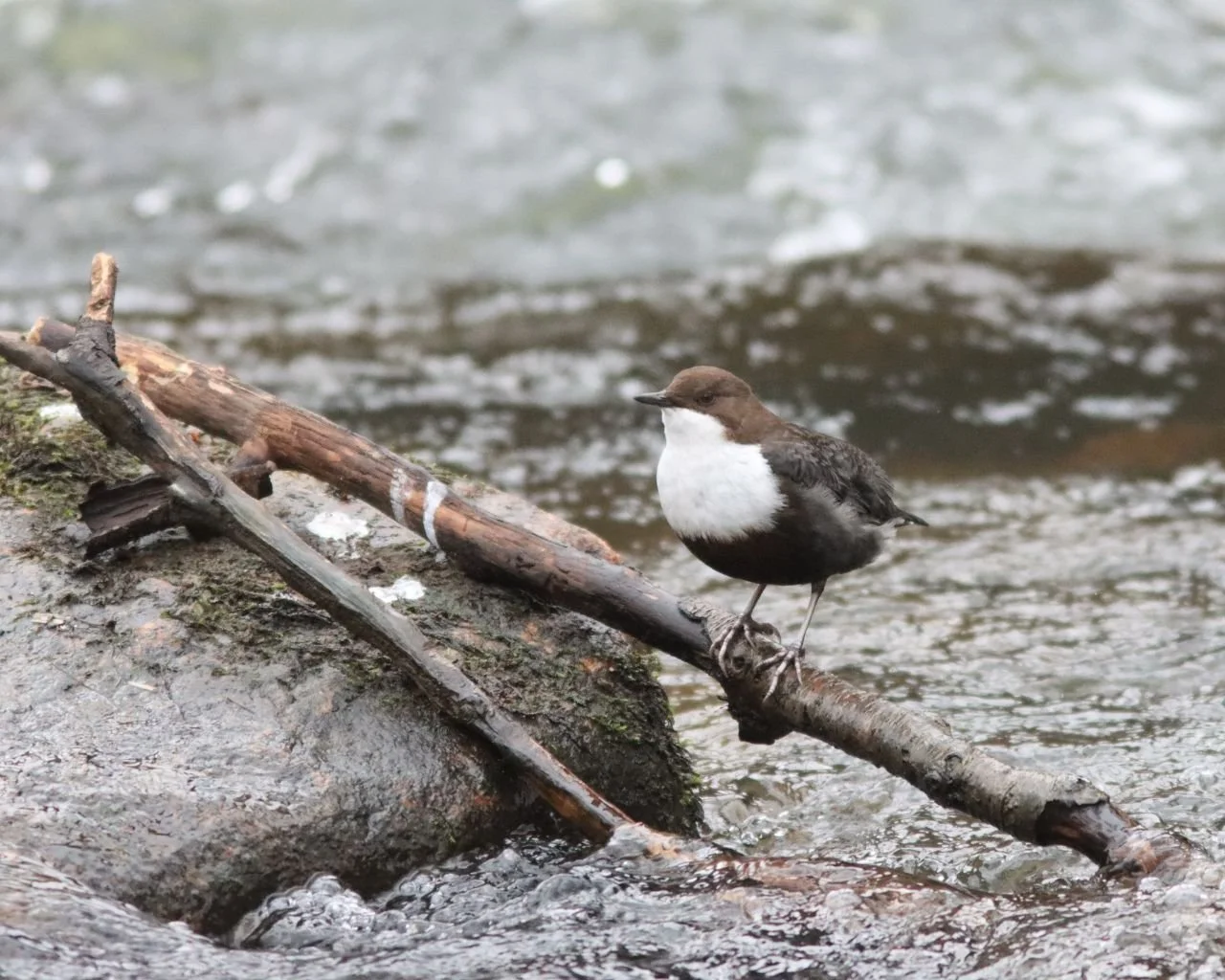
White-throated Dipper (Photo: Kai Salo)
The best birdwatching season runs from January to the end of July, when there is plenty to observe in nature.
"Bird nesting, migration, breeding plumage, chicks and the combined chorus of different species all make for memorable experiences. Birdwatching towers also have a strong sense of community. If you want to learn more, there is always someone willing to share information, and you may even get a chance to look through another birdwatcher's spotting scope when an interesting species is nearby.”
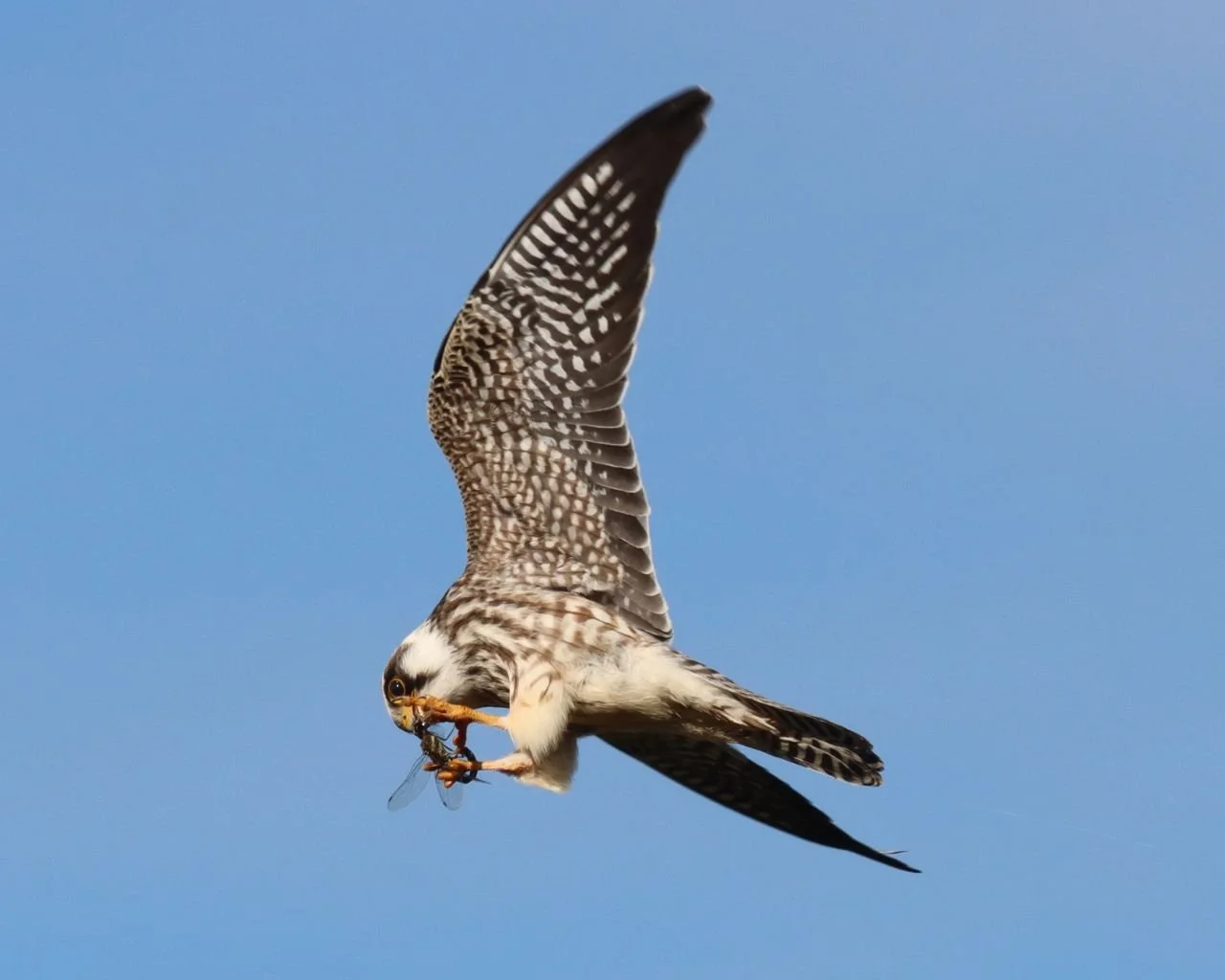
Eurasian Hobby (Photo: Kai Salo)
From Hawfinches in the garden to Siberian Jays in Lapland
The Identify 100 Bird Species challenge began in 2017, and Salo started participating actively a few years later. Since then, he has captured an impressive collection of bird photographs.
"The number of species I record each year depends partly on whether I visit Lapland. During winter bird feeding in January, I usually record the first couple of dozen species. During spring migration, it is common to add several new observations on every outing."
"For beginners, I would recommend searching for 'Chaffinch or Willow Warbler'. The Instagram account of Suomen Luonto magazine (@suomenluonto) has a useful video explaining the difference between the songs of these two very common and often confused Finnish bird species." – Kai Salo
Among his most memorable sightings are the White-throated Dipper, majestic White-tailed Eagles and a Siberian Jay in Lapland.
"Another memorable sighting was a flock of Pine Grosbeaks close to home. The species usually breeds in Eastern Lapland and the Kainuu region and is only occasionally seen in Southwest Finland. Last year, we happened to see a group of seven or eight birds stop in Santtio to feed during migration.”
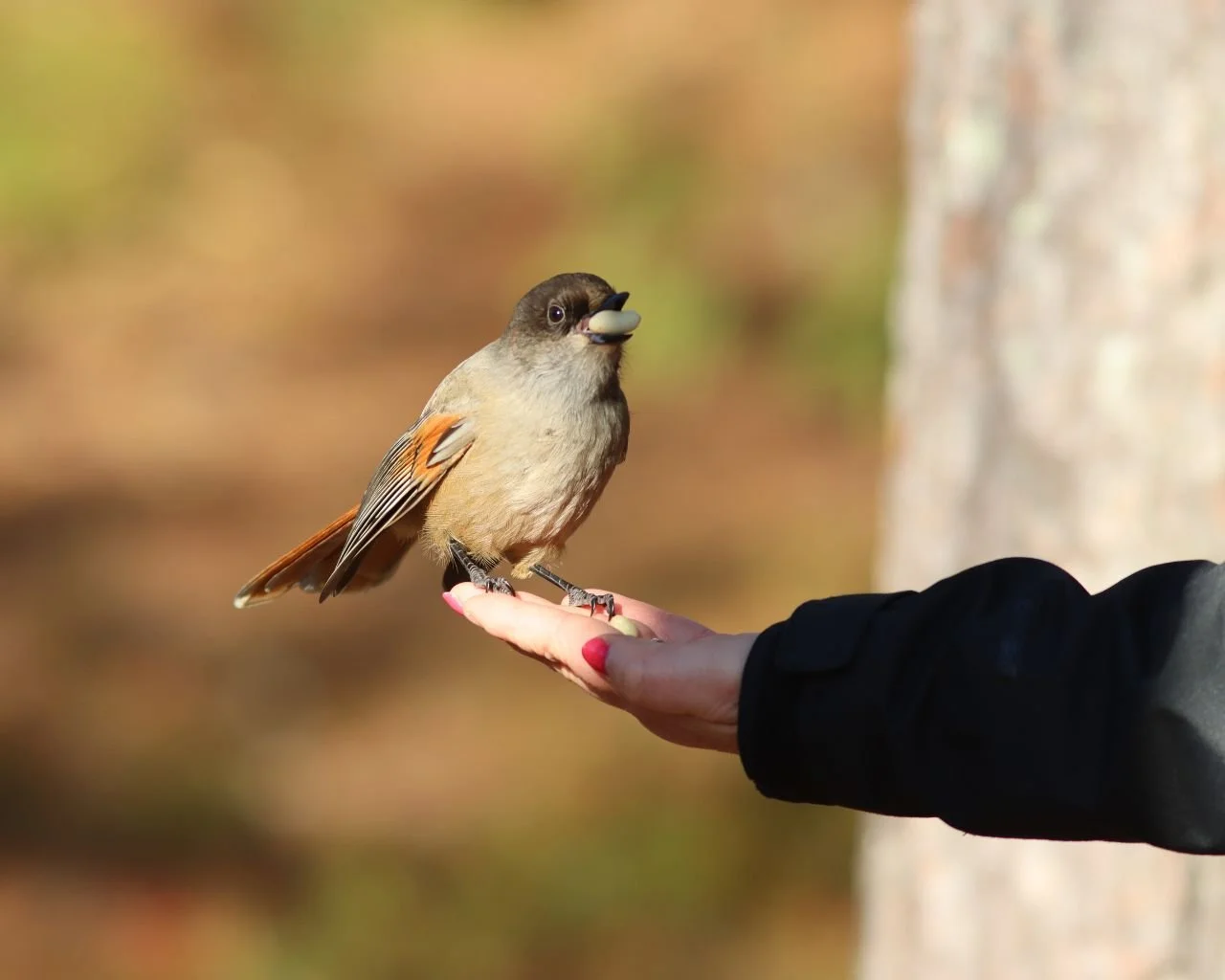
Siberian Jay (Photo: Kai Salo)
Apps offer an easy way to learn
Janica Arvo joined the same challenge in March this year. Although she describes herself as a beginner, she has already recorded 54 species.
"On the recommendation of Sannamari Rasilainen, I downloaded the Merlin Bird ID app. I use it to record birdsong, and the app identifies the species. It is an easy and enjoyable way to learn because the app analyses the sounds and provides a list of possible birds," Arvo explains.
"The Identify 100 Bird Species challenge is surprisingly addictive. I find myself recording bird sounds almost every day and learning something new at the same time. The app provides a picture, the name of the bird and a recording of its call. Identifying a new species always feels rewarding." – Janica Arvo
She records bird sounds while walking her dog, in her garden and during trips into nature. Watching and listening to birds, especially near lakes and other waterways, provides an opportunity to slow down and enjoy the moment.
"For example, I can now recognise the common Wood Pigeon, and I've taught the rest of my family to identify it as well. One visits the tree in our garden almost every morning. As winter approaches, birds become less vocal, so new species are added to the challenge less frequently.”
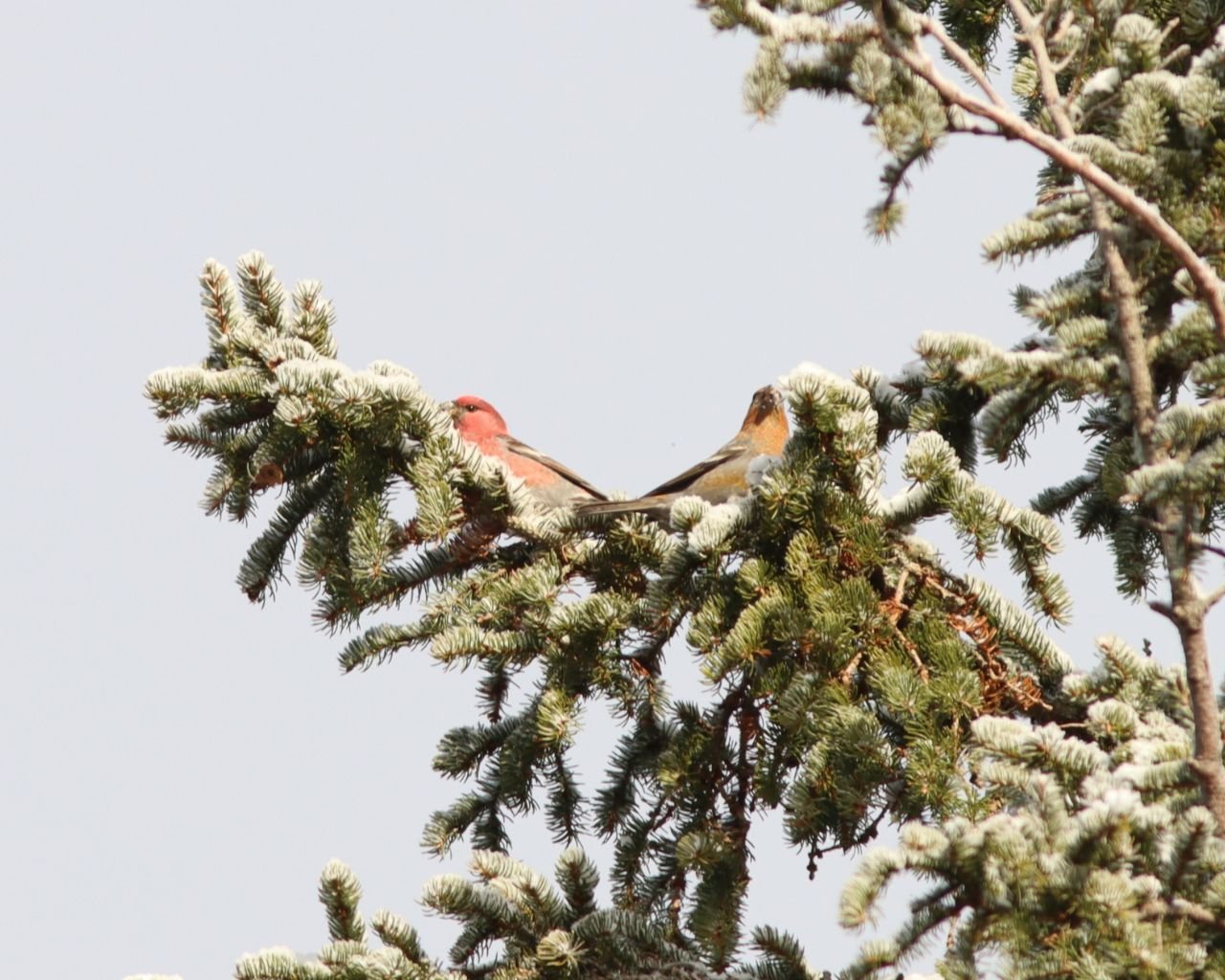
Pine Grosbeaks (Photo: Kai Salo)