Master of Commissioning – Juuso Ruoho: “Solutions are found even under pressure”
Juuso Ruoho, Process Specialist at Raumaster Paper, works in an international environment where the role is as much about working with people as it is about applying broad technical expertise. Careful preparation and the ability to adapt to changing situations are key to successful outcomes.
Returning to Finland from the United States the evening before the interview, Ruoho notes with a smile that jet lag is something you never quite get used to, even when spending on average around 200 days per year on the road. His assignments take him from North America and Central Europe all the way to New Zealand, typically lasting from a few weeks to a month at a time.
The day-to-day work of a Process Specialist requires adaptability in a wide range of situations. A thorough understanding of the equipment and agreed system scope down to the smallest details is essential, and preparation forms the foundation of everything.
“In simple terms, commissioning involves configuring the equipment. Success in this role requires a combination of skills, including technical expertise in mechanics and automation, as well as the ability to work under pressure and communicate effectively. Situations can change quickly, and smooth cooperation with different stakeholders, including production, engineering and automation, is essential,” Ruoho explains.
“You can’t hesitate in this role; you need to be able to find optimal solutions together with others. ‘I don’t know’ is not really an option. Things are always resolved one way or another.”
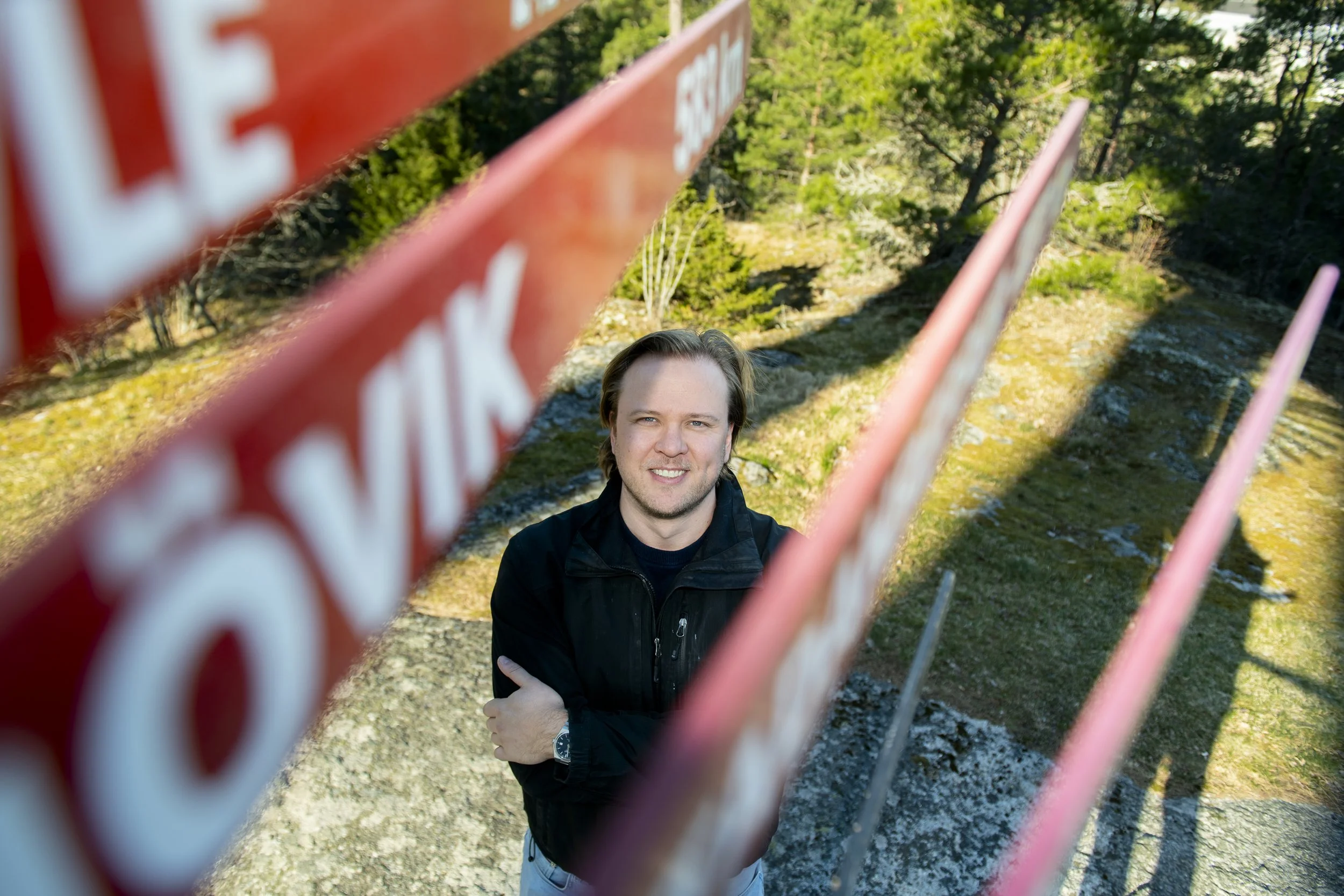
As a Process Specialist Juuso Ruoho travels frequently, with assignments lasting anywhere from a few weeks to a month. For him, one of the best parts of the job is seeing the world and working alongside with professionals from different countries.
Turning design into reality
As a Process Specialist, Ruoho focuses on developing and optimising equipment, improving the performance of machines and processes, and working with product development to introduce new technological solutions. He also supports customer projects as an expert, for example during commissioning.
“This includes process adjustments and optimisation on site at the customer’s plant, data collection and further analysis, investigating quality and production deviations, and training both customers and internal personnel. I also act as an interface between the customer and Raumaster Paper.”
A Process Specialist may be involved in several phases of a project. In some cases, the work begins as early as the sales and pre-engineering phase, supporting sales in technical matters and helping to define the most suitable process solution for the customer. In other cases, collaboration with the customer may continue for years through warranty and after-sales activities.
“In addition to ramp-up and process optimisation, I solve potential issues in real time, sometimes under significant pressure. This is when it becomes clear whether everything works as intended,” Ruoho emphasises.
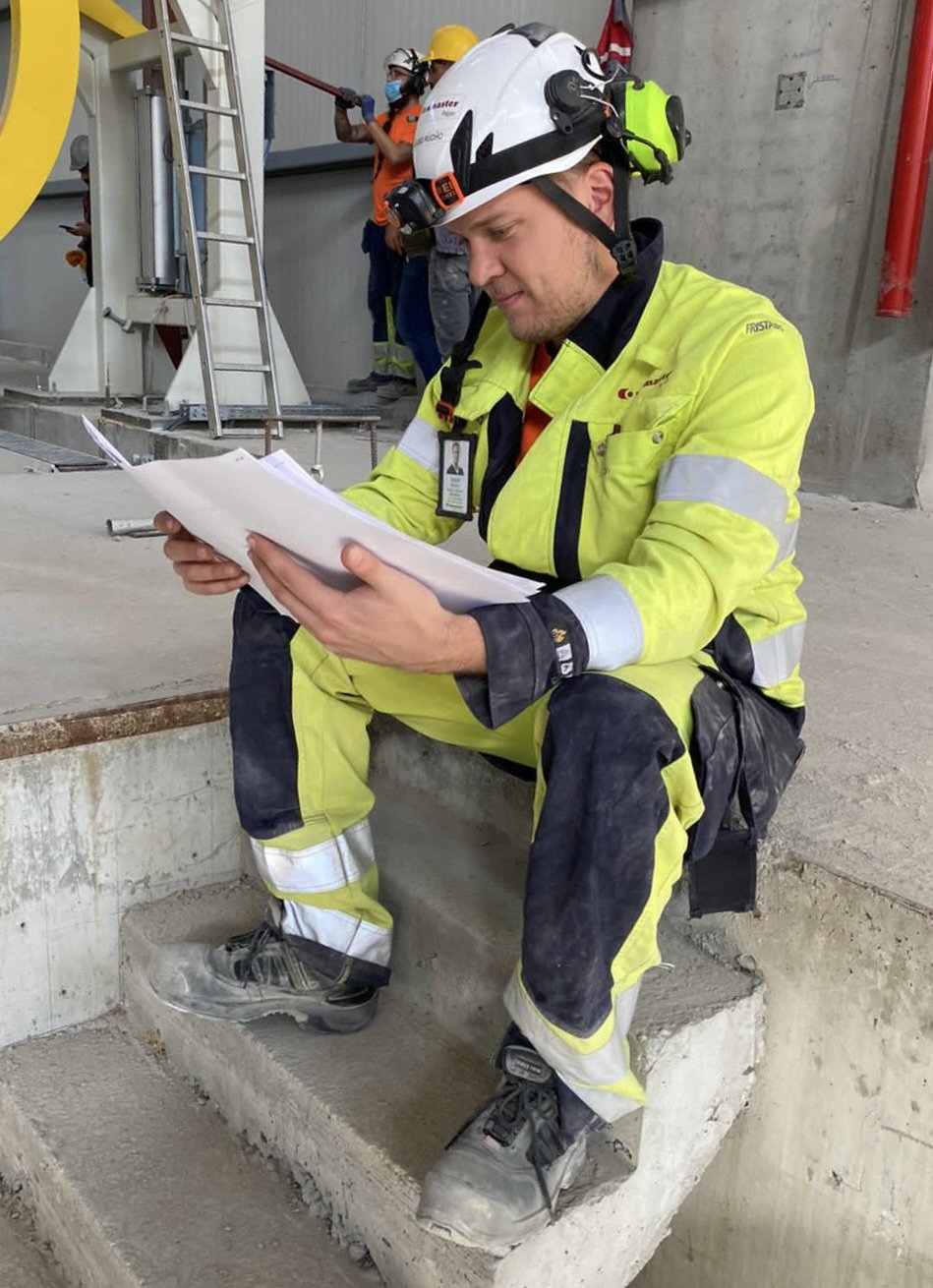
“We deliver tailor-made equipment, so every project also develops our own expertise,” Juuso Ruoho says.
Experience provides a strong foundation
Ruoho has worked at Raumaster Paper since late summer 2017. With a degree in Mechanical and Production Engineering, he previously spent five years working as a Project Engineer in mechanical design. This background has proven highly valuable in his current role, which he took on in 2023.
“Thanks to my design experience, the equipment and production lines are familiar to me down to the details. What makes the work meaningful is the interaction between different pieces of equipment, the interesting and challenging situations, and the opportunity to see the world and work with professionals from different countries.”
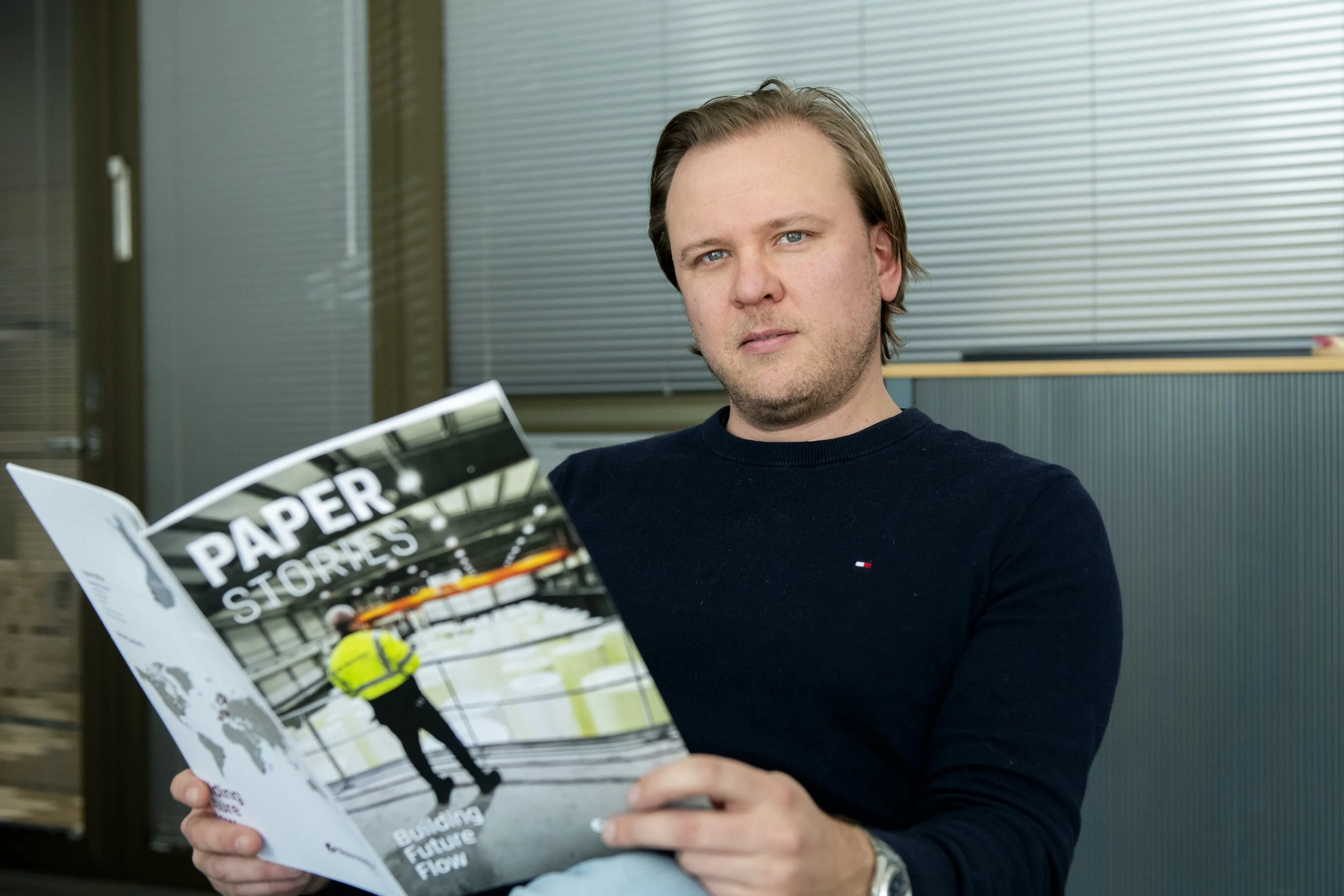
Ruoho knows that success requires technical expertise as well as organisational, problem-solving and resilience skills in rapidly changing situations.
Master of Commissioning – what does it take?
Juuso Ruoho, Process Specialist, Raumaster Paper: “Commissioning always begins with careful planning, where objectives, risks and responsibilities are clearly defined. During execution, installations are completed, users are trained, and the equipment is brought into operation in a controlled and safe manner. Finally, performance is verified through measurement, and any deficiencies are addressed. Success requires technical expertise as well as organisational, problem-solving and resilience skills in rapidly changing situations.”